

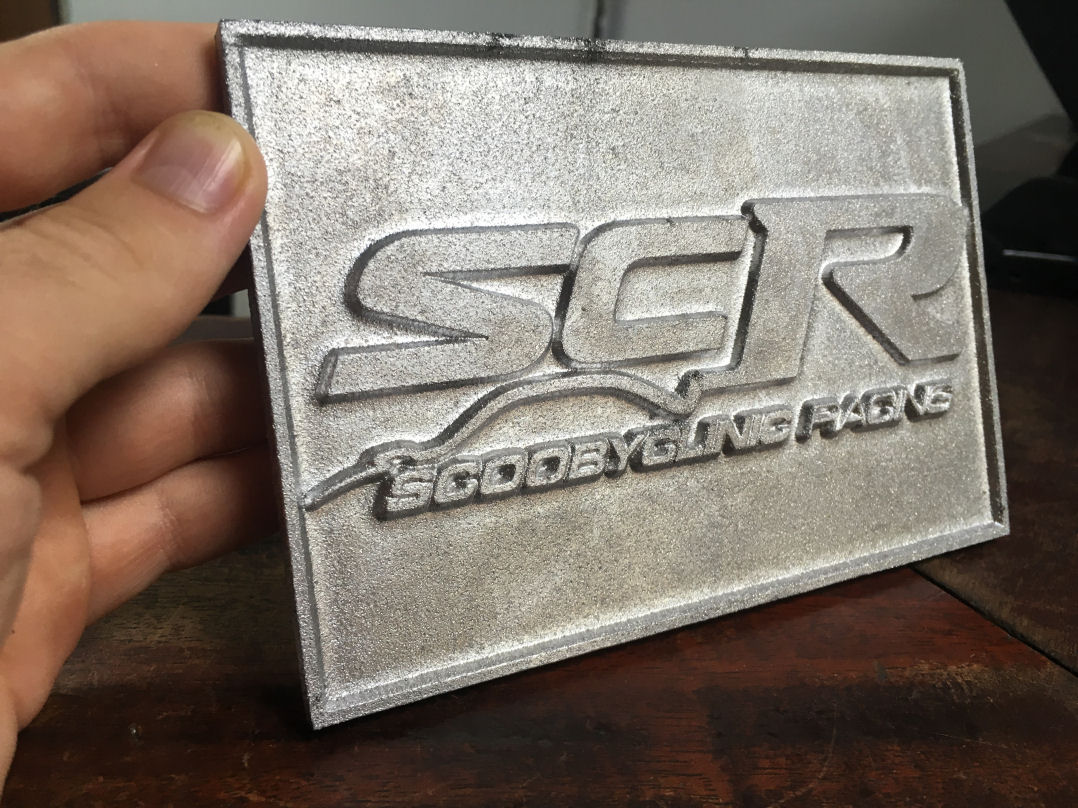
 Working closely alongside our local foundry manufacturer, we are now able to offer cast aluminium plaques. This is particularly exciting news for us, as it means we can manufacture items which are normally too large using our traditional stamping and lost wax techniques.
Sand casting is a method where compacted grains of sand are used as the mold material. It is one of the oldest and most widely used metal casting skills. Listed below are some of the key steps in the production method for the Scooby Clinic cast aluminium plaques we recently manufactured.
A pattern is made based on the desired design. A bottom mold is filled with compacted sand and the pattern is pressed into the sand. The top mold is then aligned and placed on to the bottom mold. More sand is added to the top mold and compacted until almost solid. 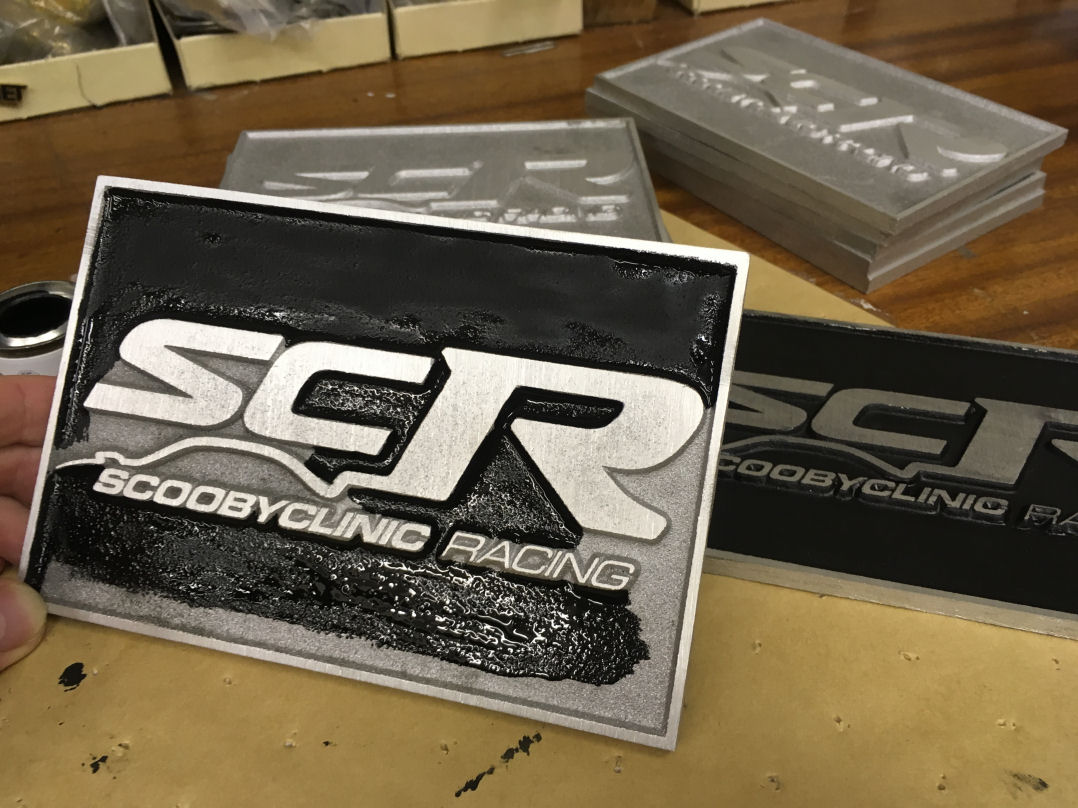 The top mold is then carefully lifted and the pattern removed, leaving a vacuum in the the sand. The top mold is then re-aligned again to the bottom, and molten metal (in this case aluminium) is poured into the vacuum and allowed to cool. Once cooled, the top and bottom molds are separated to leave the aluminium casting.
Once the aluminium castings have been made, they are fettled to remove any blemishes/grains of sand sometimes caused by the molds and start to look more like a finished item. For these particular plaques, black enamel was then filled into the recessed areas of the castings and left to cure/dry overnight.
Leaving the castings overnight, gave the enamel enough time to dry. We then polished the surface of each casting which also removed any enamel that had accidentally spilled over onto the raised areas. This left the plaques with a smooth and shiny surface, giving them a nice contrast to the black enamelled areas. Finally we sprayed each plaque with clear lacquer to protect the plaques and give them a high gloss finish.


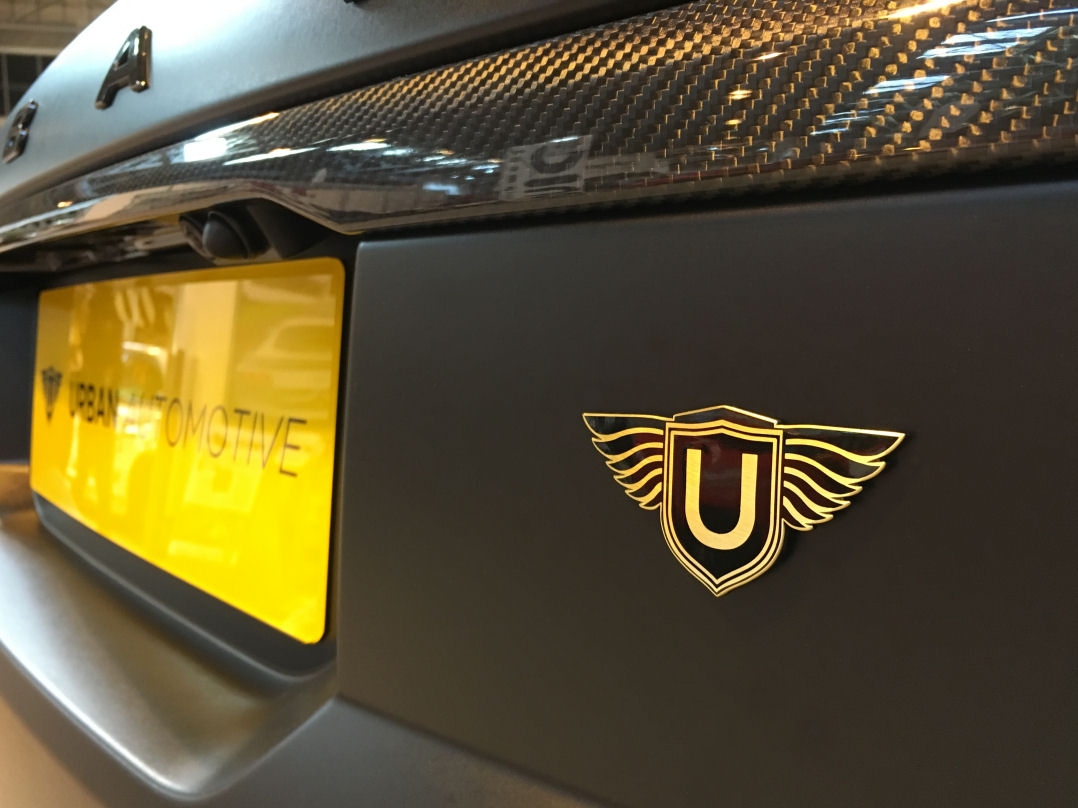

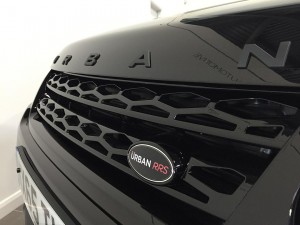 Since manufacturing the initial items, we have build a great business relationship with Simon and the Urban Automotive team. Most recently we have produced the Urban crest badges which can be seen at the top of the page. These are plated in an antique style coating, giving a brushed look to the surface and coloured with hard enamel ensuring durability. These plaques have also been developed to fit on their custom interior carpet mats by soldering fittings to the rear of the plaques.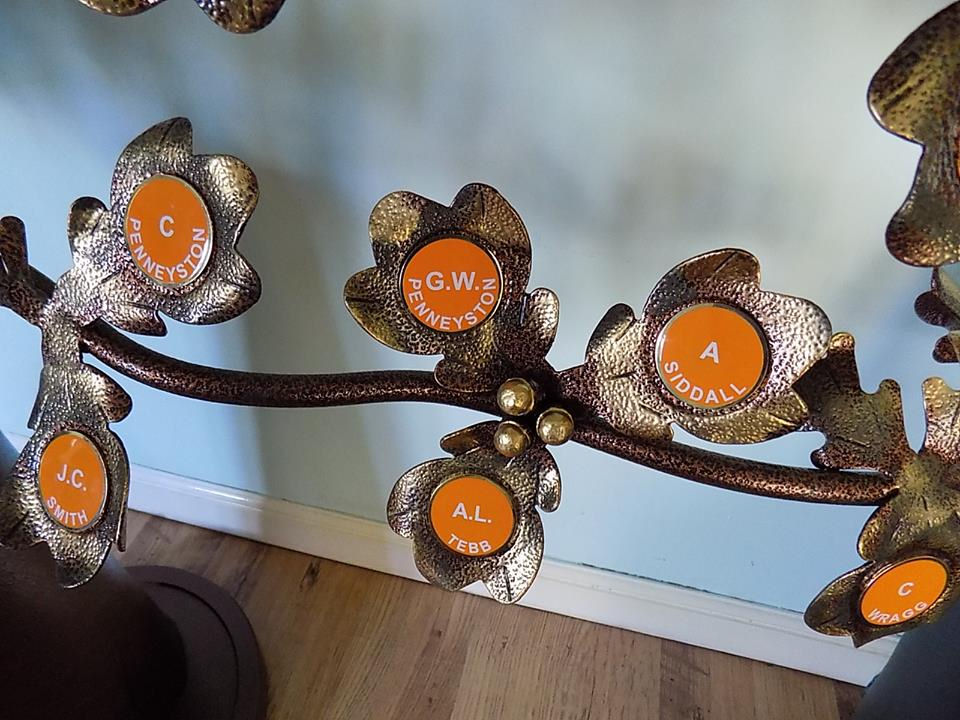
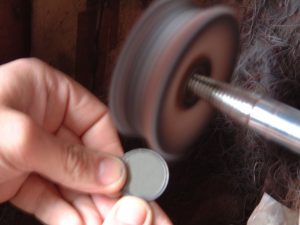 Blacksmith sculptor Paul has spent hours forging the tree trunk, branches and leaves. The metal oak tree stands over 6 foot tall and has 84 leaves on the tree for each of the men who worked at the Tunstead quarry and lost their lives in World War 1 and 2. The leaves will have a round enamel disc bearing the name of the every fallen employee, which have been produced by Sheffield company House of Logos. The discs have been stamped out from metal, polished, then coloured with an Autumn brown enamel. They are polished one final time, before being printed with the name of a fallen employee.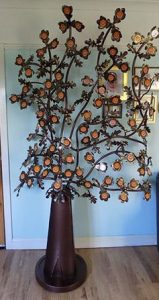

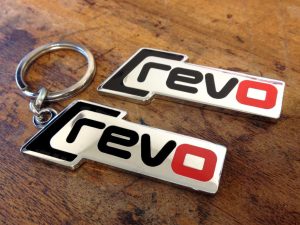 Revo approached us after being impressed by the quality of items we manufactured for
 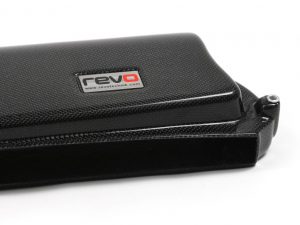 Revo are a great company to work with, as they continue to develop new products and come to us with exciting ideas/briefs. They are very precise and have a great eye for detail, pushing us to deliver items of real quality.