The Story Behind the Metal ‘Outlaw’ Badge: A Perfect Match for Porsche Grilles

Outlaw Gear Grill BadgeIn the world of classic Porsche culture, details matter. Every curve, every finish, every modification tells a story about the driver behind the wheel. And for those who choose to take their build beyond factory specifications, one word captures the spirit perfectly: Outlaw.

Outlaw Gear set out to create a badge worthy of that legacy — a precision-crafted emblem that feels as authentic and iconic as the cars it was designed for.

Designed for Porsche Enthusiasts, by Porsche Enthusiasts

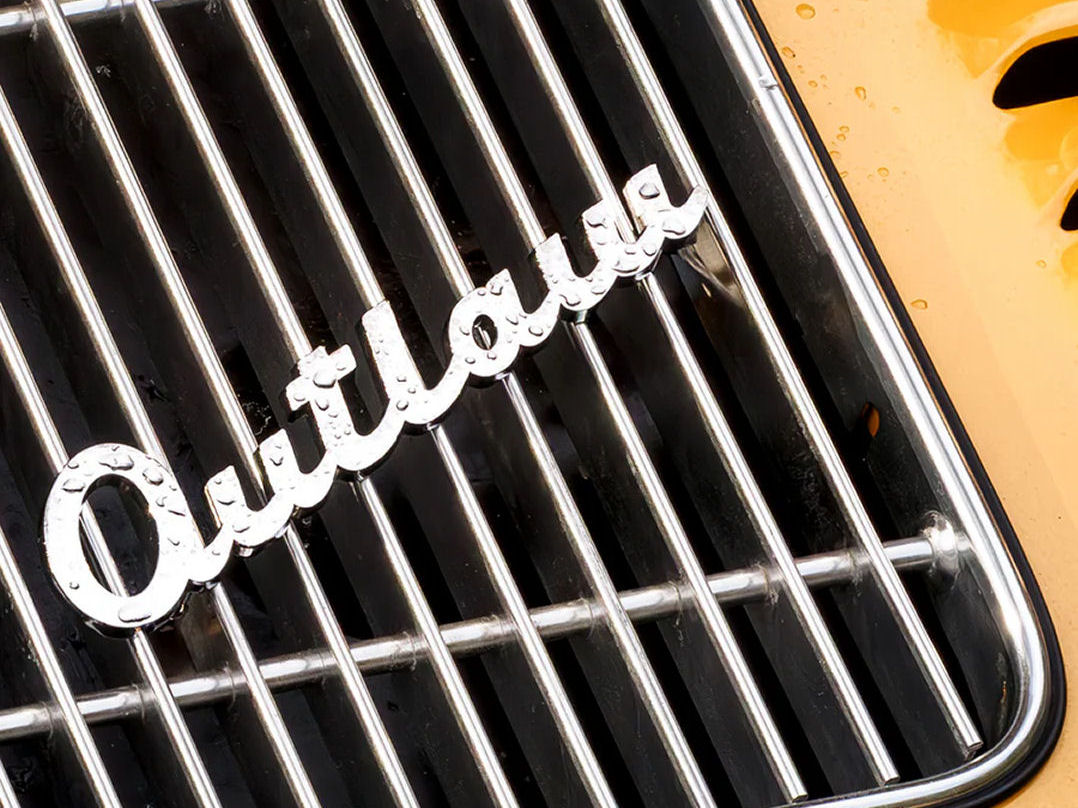
The ‘Outlaw’ badge was engineered specifically to mount on the classic rear engine grilles found on vintage Porsches. Whether it’s a 356, early 911, or custom backdate, these vertical grille slats are a hallmark of the air-cooled era. Outlaw Gear wanted a badge that didn’t just fit — it belonged there.

Every curve of the script was shaped to echo the flowing lines of Porsche’s design language, resulting in a piece that looks and feels like it could have been part of the car from day one.

Crafted in Chrome With a Purpose
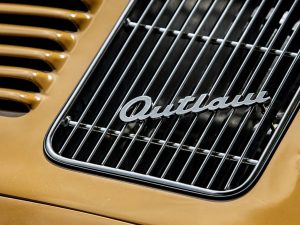
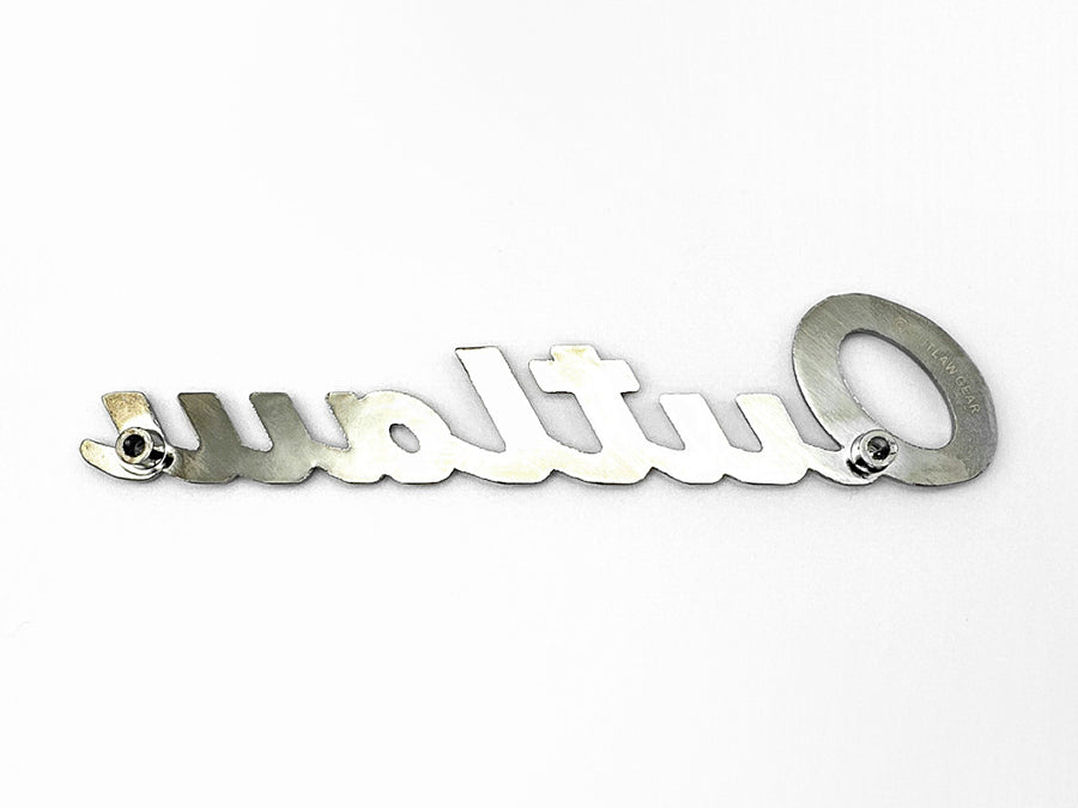
The badges are chrome plated and polished to a mirror-like finish, allowing them to catch the light beautifully as the car moves or sits proudly at a meet. The smooth, cursive script takes on a sculpted presence when mounted, giving the grille a subtle but unmistakable visual boost.

This isn’t just an accessory — it’s a statement. A small but powerful detail that signals craftsmanship, individuality, and a refusal to settle for standard.

What ‘Outlaw’ Really Means

In Porsche culture, the term “Outlaw” has grown far beyond its rebellious roots. It represents a movement:

Cars built by hand
Ideas that challenge tradition
Personal expression over perfection
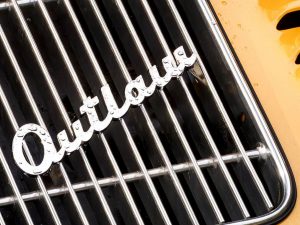
Outlaw Chrome Plated Grill Badge FittedIt’s about celebrating the drivers who tune, weld, restore, and modify their cars in ways that reflect their own vision. The badge embraces that ethos — it marks a Porsche that’s been thoughtfully personalised, not merely preserved.

The Perfect Finishing Touch

Mounted on the engine grille, the ‘Outlaw’ badge completes the look of a custom Porsche build without overpowering its classic lines. It’s a detail that photographers notice, enthusiasts appreciate, and owners take pride in.

Whether you’re putting the final touches on a long-term project or subtly enhancing a cherished classic, the badge is designed to feel right at home on any air-cooled icon.

Custom Land Rover Badges

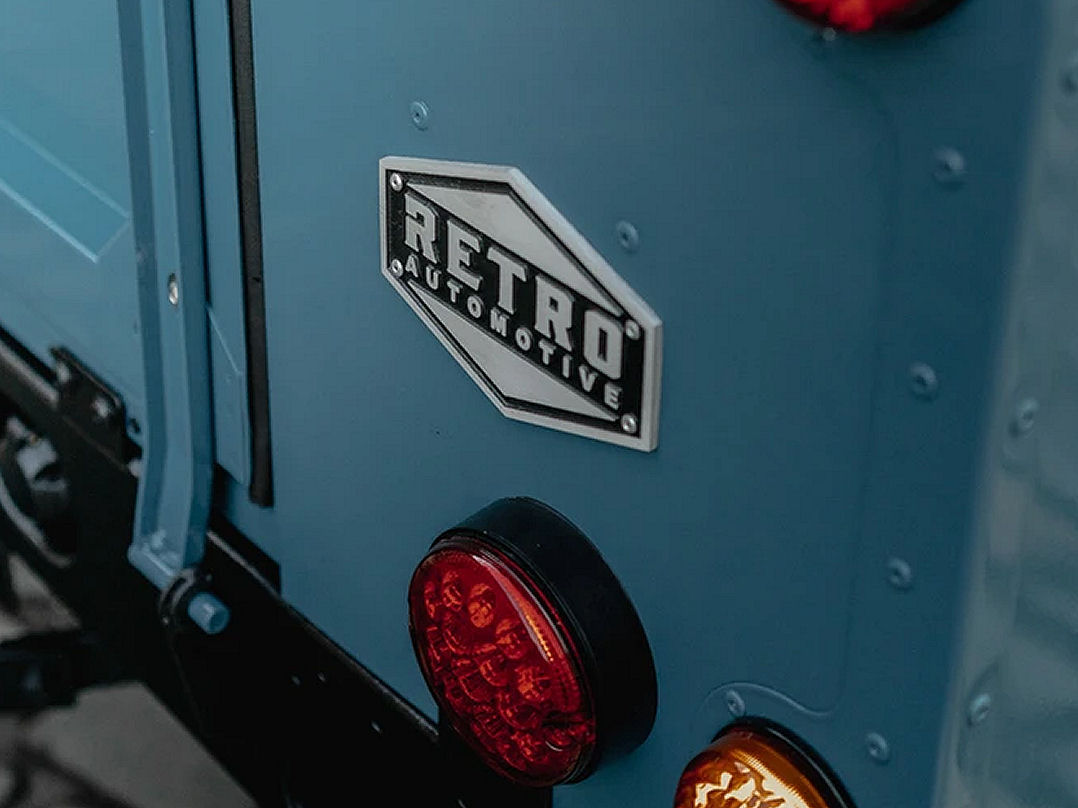
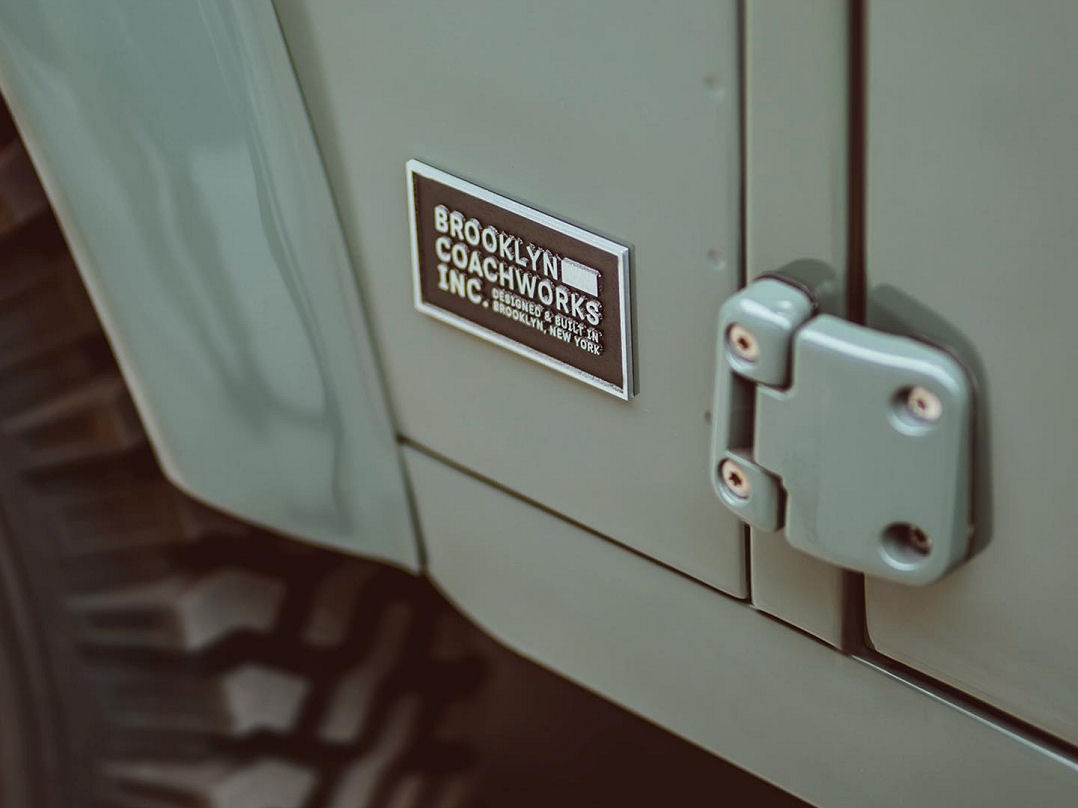
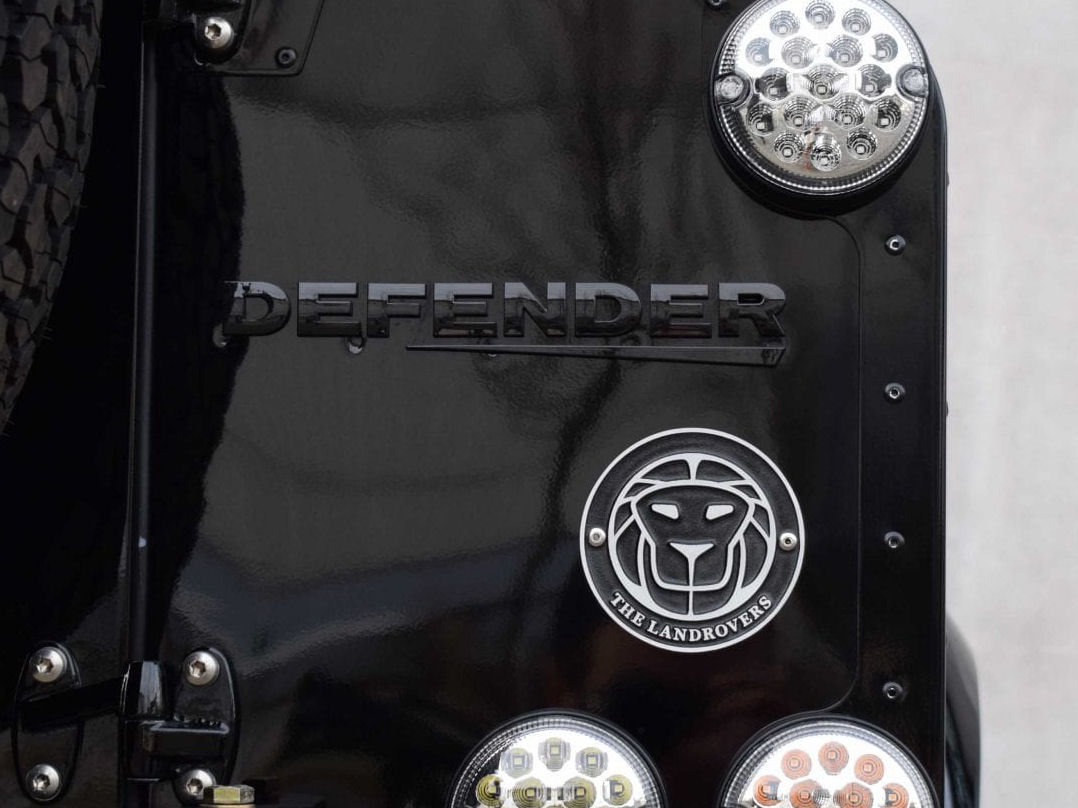
Rover Trophy Custom Land Rover BadgesIn this blog post, we take a closer look at the custom Land Rover badges we have been manufacturing in cast aluminium and etched zinc.

Staying true to the original manufacturing methods Land Rover used on the early Defender badges, we manufacture bespoke exterior vehicle badges from cast aluminium. These are perfect for specialist restoration companies wanting to display their brand in a traditional, unobtrusive way. Working closely with our local foundry, our badges are produced to each client’s exact specifications, ensuring the final result mirrors the style, texture, and authenticity of the original OEM pieces. This commitment to heritage is what gives the badges their period-correct appearance — something enthusiasts and restorers value highly.

Lucari Custom Land Rover BadgesOnce cast, black enamel is typically added to the recessed areas to create depth and contrast, before the badge receives a protective clear lacquer coating. This not only enhances the shine of the surface but also significantly increases durability against weathering and daily use. The finished badges are usually riveted onto the vehicles, maintaining the traditional fitting method, although 3M automotive-grade tape can be supplied for those preferring a drill-free installation.

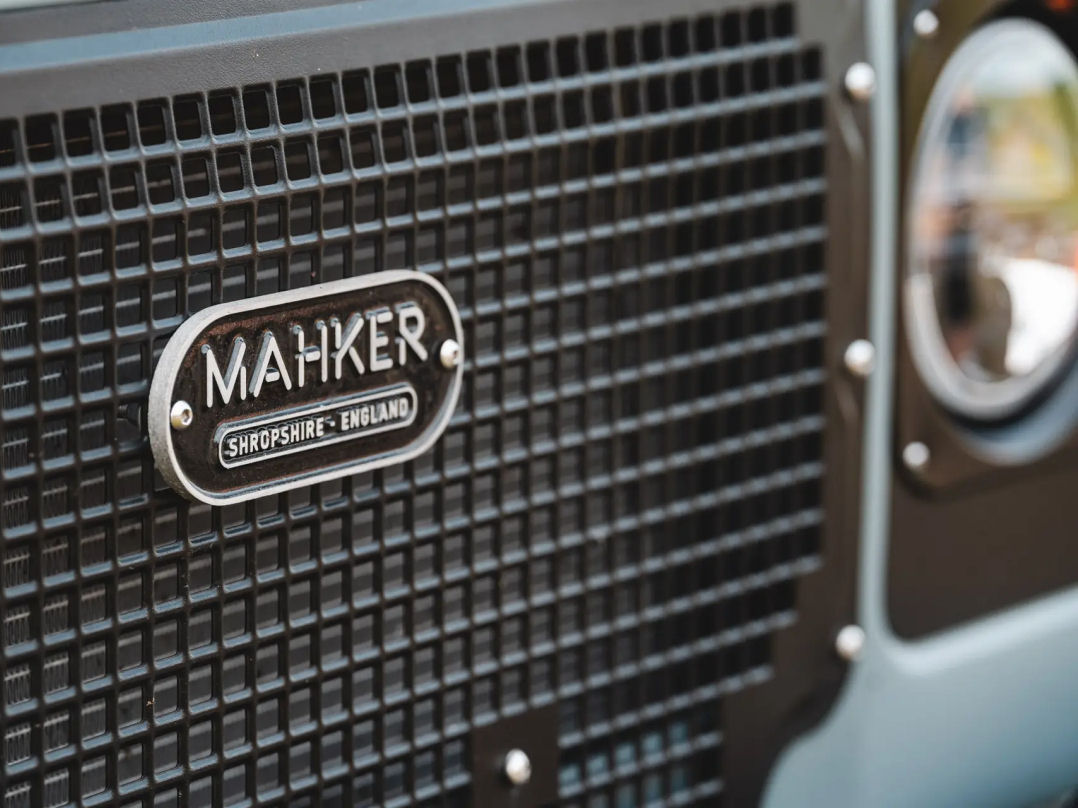
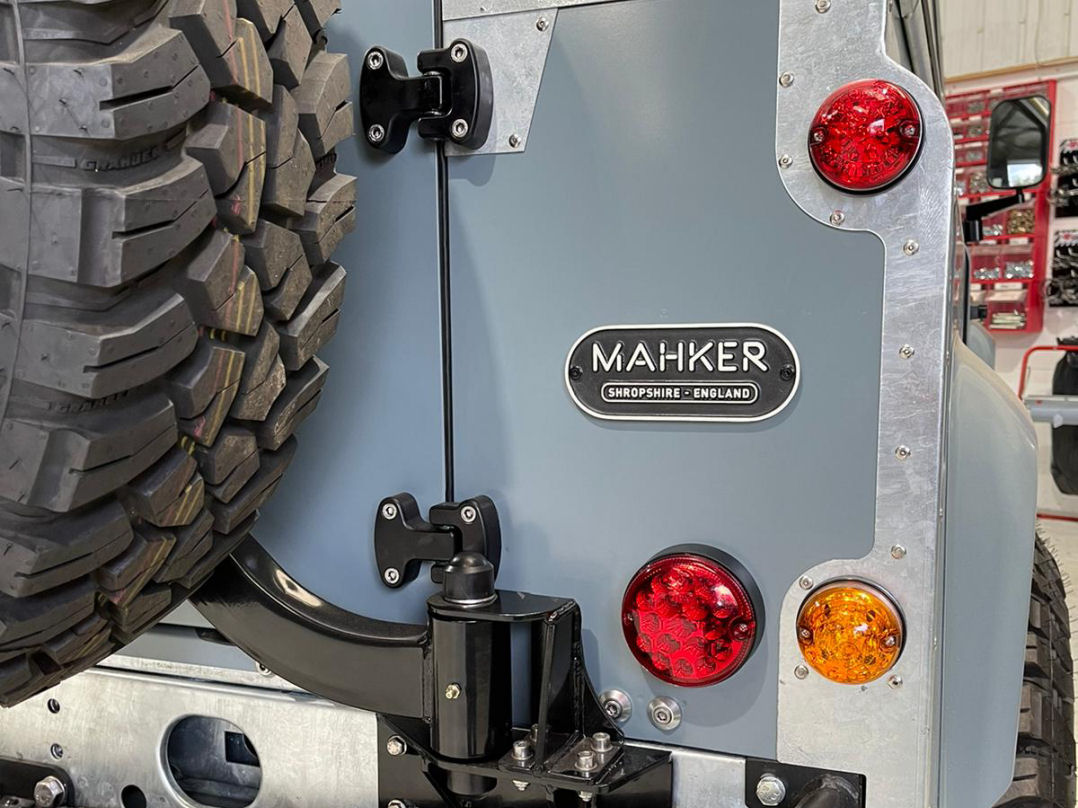
In addition to our cast aluminium range, we have also been producing custom Land Rover badges in zinc. In terms of look and feel, these are almost identical to the cast aluminium versions Land Rover famously used on the original Defenders. However, instead of being created through the sand-casting process, these badges are produced via acid etching in zinc — a technique that allows for exceptional precision and detail. One of the major advantages of this method is that there are no initial setup costs, making it ideal for one-off badges, small batches, prototype samples, and bespoke branding projects without the need for a large upfront investment.Mahker Cast Aluminium Land Rover Grill Badge

This flexibility has made zinc-etched badges increasingly popular among custom builders, small automotive brands, and restoration workshops looking for high-quality, affordable options that still feel true to the Defender’s iconic aesthetic.

If you would like more information regarding custom Land Rover badges for your brand, give us a call or send your designs or ideas to info@houseoflogos.co.uk. We’re always happy to help turn a concept into a finished badge that fits your build perfectly.

FixxFest 2021 Keychains & Pin Badges

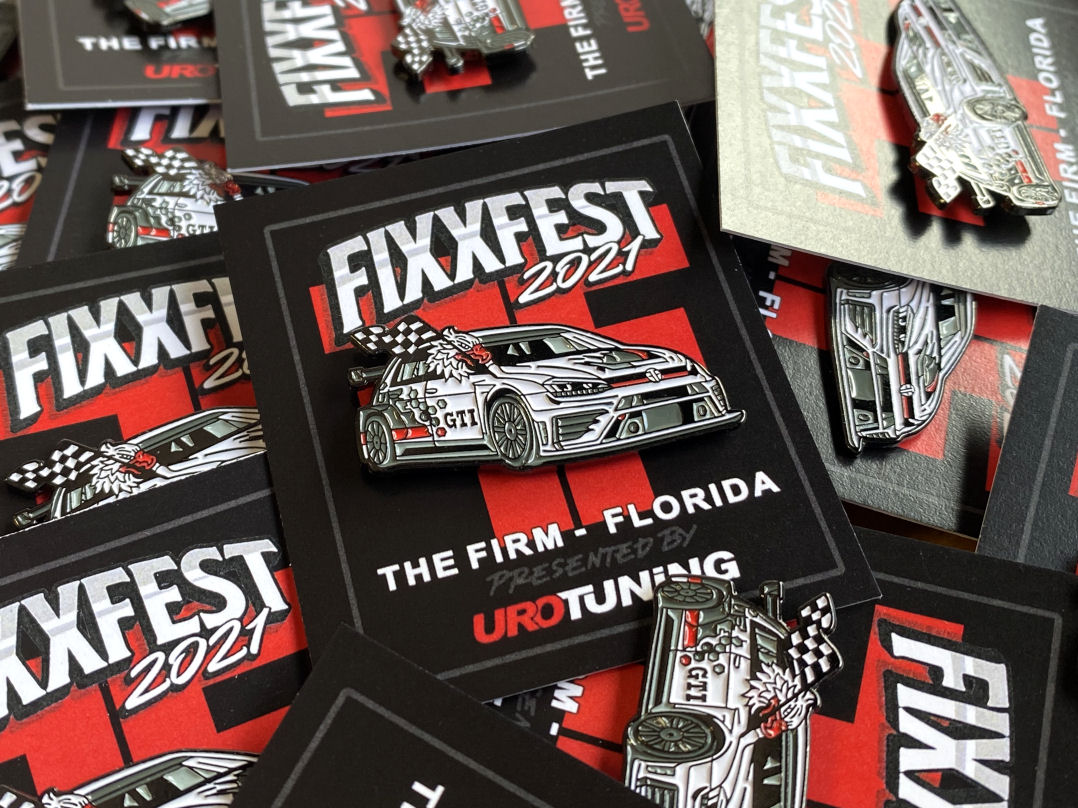
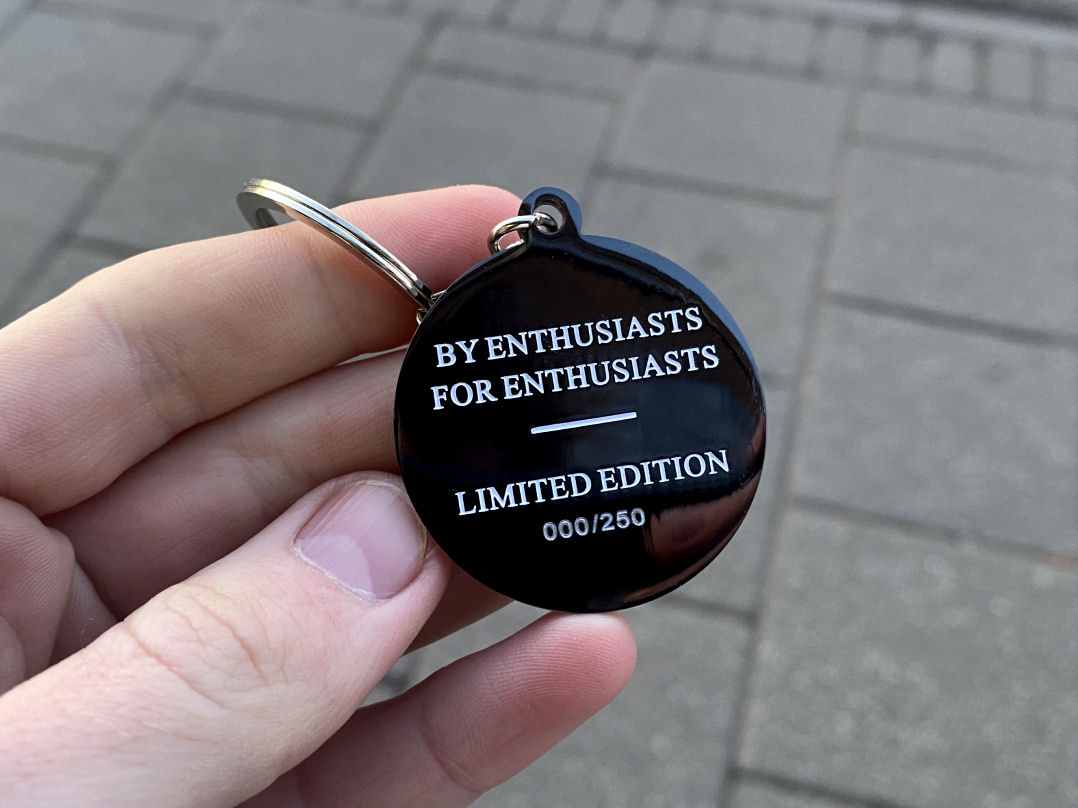
Limited edition Fixxfest 2021 keychains and pin badges for UroTuning featuring the VW Golf MK7 TCR feature car.

The level of detail achieved on both the enamel pins and keychains is really high. Engraved numbering on the rear of the keychains and additional backing cards for the pins really sets them off.


MAHKER Cast Aluminium Badges

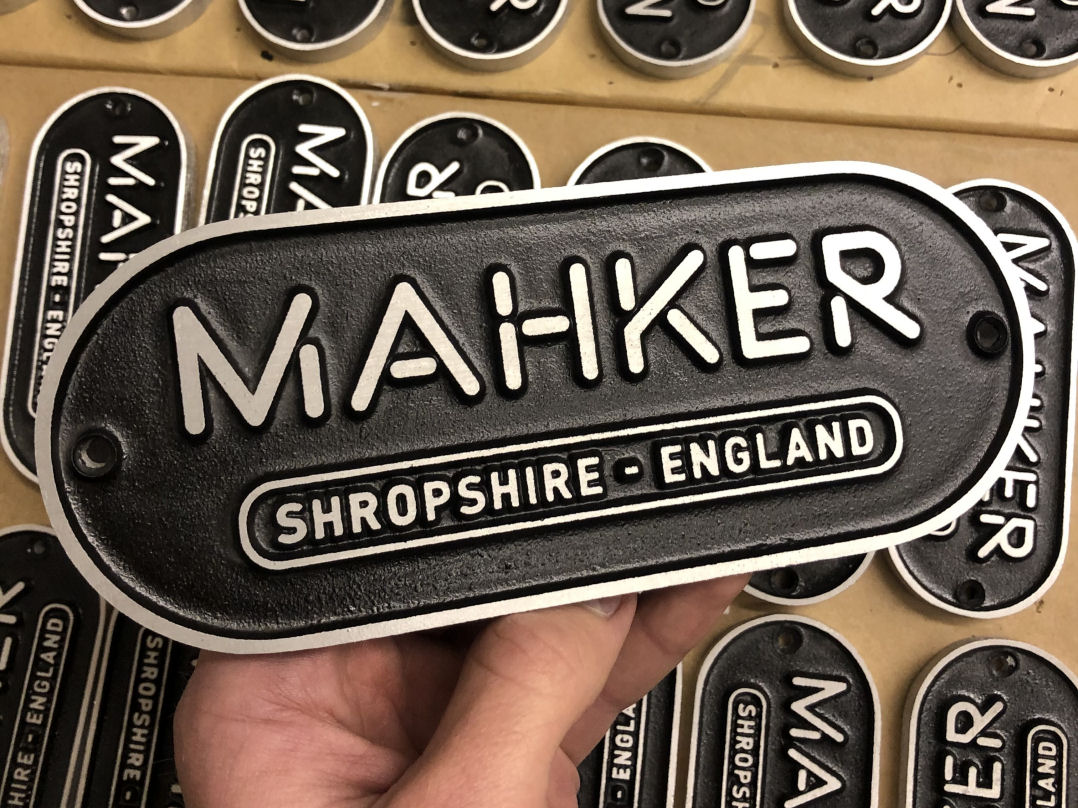
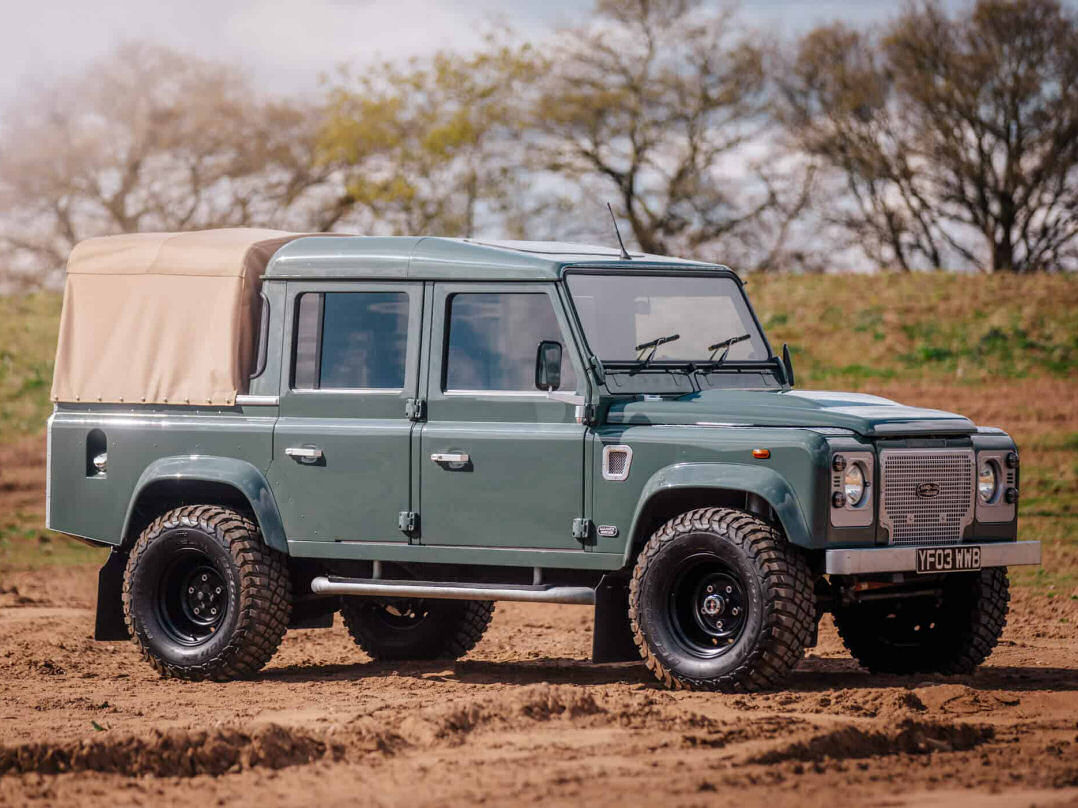
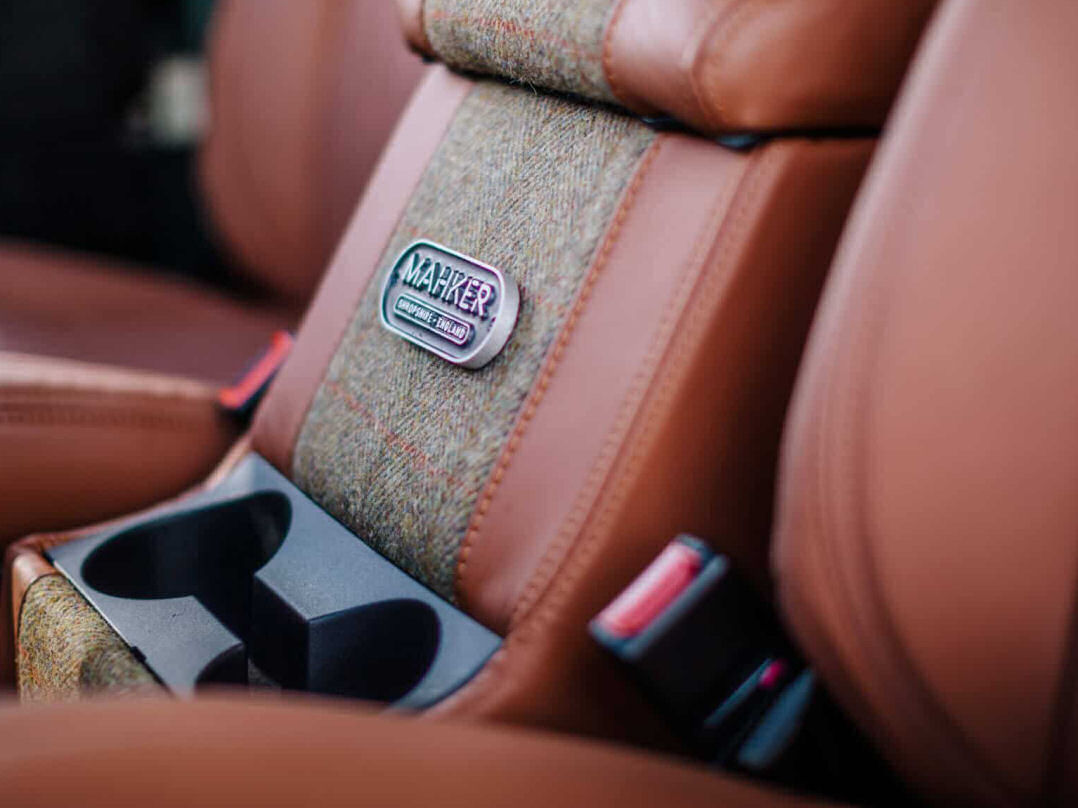
Based in the heart of Shropshire, UK, MAHKER are an internationally inspired workshop using hand crafted components to build outstanding vehicles with endless possibilities. This post is an insight into the production behind the cast aluminium badges we manufactured for their builds.

Working closely alongside our local foundry, we have been manufacturing exterior vehicles badges in cast aluminium. This allows us to manufacture items which are normally too large using our traditional stamping and lost wax techniques.

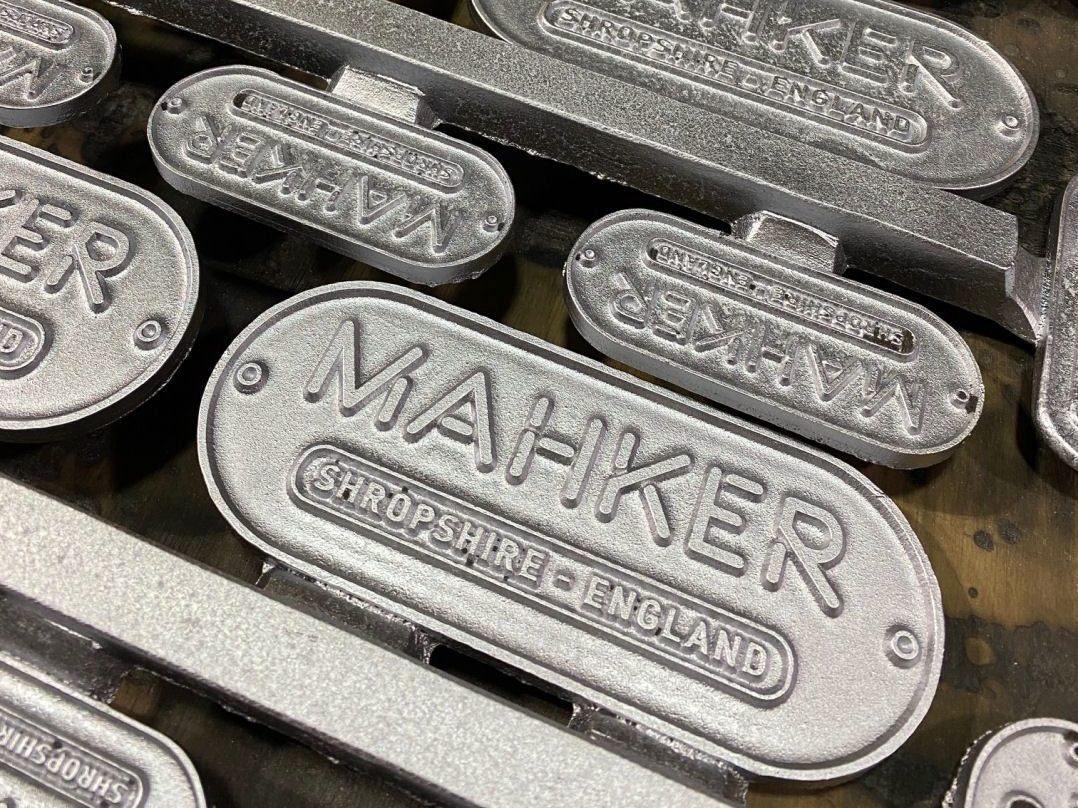
Sand casting is a method where compacted grains of sand are used as the mold material. It is one of the oldest and most widely used metal casting skills. Listed below are some of the key steps in the production method for the @wearemahker cast aluminium plaques we manufacture.

A pattern is made based on the desired design. A bottom mold is filled with compacted sand and the pattern is pressed into the sand. The top mold is then aligned and placed on to the bottom mold. More sand is added to the top mold and compacted until almost solid. The top mold is then carefully lifted and the pattern removed, leaving a vacuum in the the sand. The top mold is then re-aligned again to the bottom, and molten metal (in this case aluminium) is poured into the vacuum and allowed to cool. Once cooled, the top and bottom molds are separated to leave the aluminium casting.

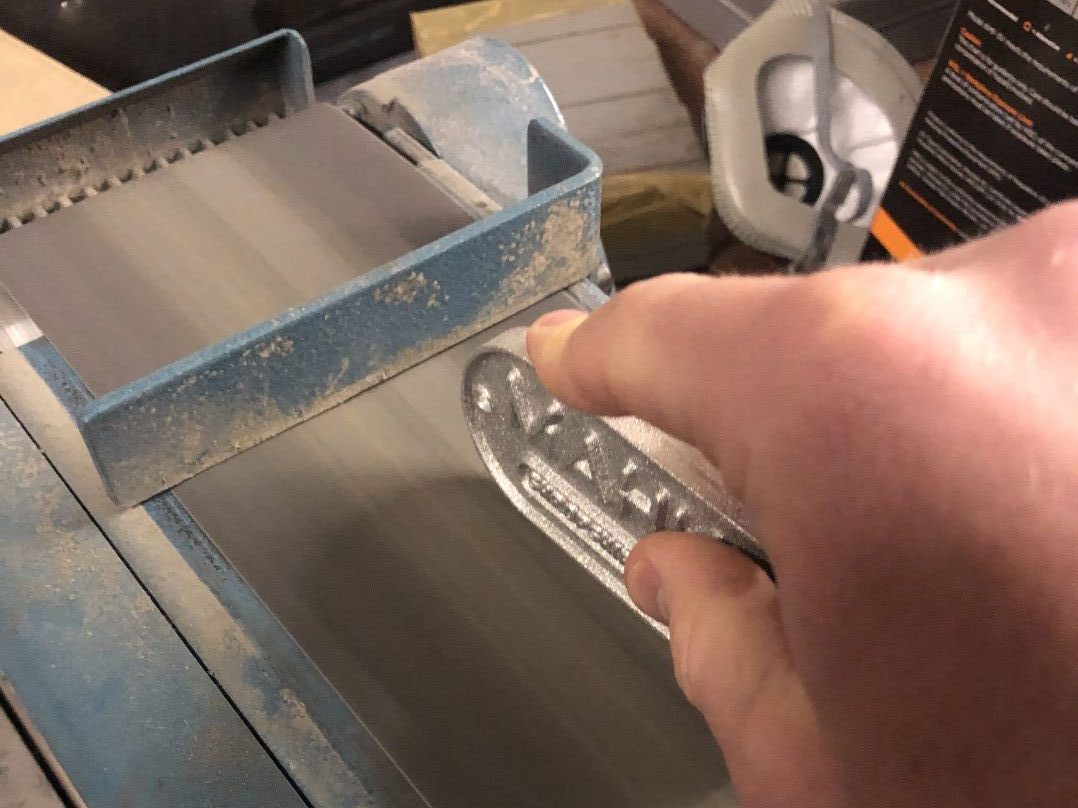
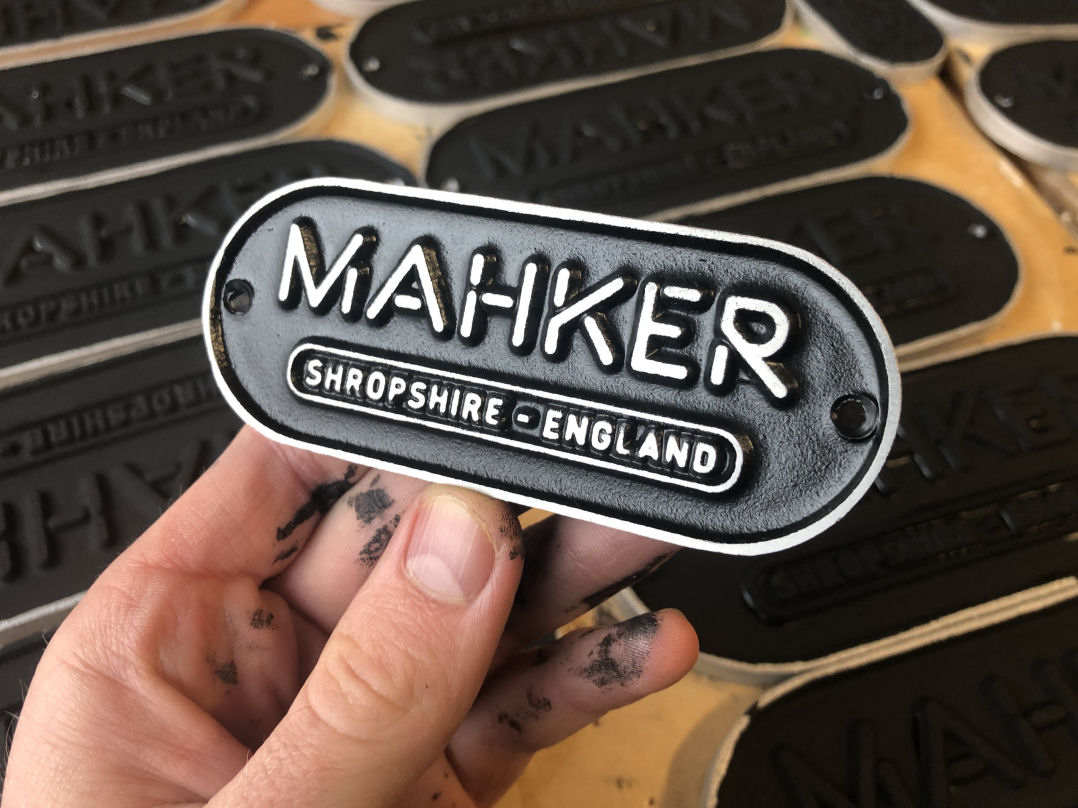
Once the aluminium castings have been made, they are fettled to remove any blemishes/grains of sand sometimes caused by the molds and start to look more like a finished item. Black enamel was then filled into the recessed areas of the castings and left to cure/dry overnight.

Leaving the castings overnight, gave the enamel enough time to dry. We then polished the surface of each casting which also removed any enamel that had accidentally spilled over onto the raised areas. Finally we gave the plaques a clear coat of lacquer to add a layer of protection and leave a smooth and shiny surface, giving them a nice contrast to the black enamelled areas.